What Is an Outbound Call Center? A Complete Overview
Run successful campaigns with an outbound call center, improve outbound calling, adopt best practices, and know why outbound call centers are essential.
Author: Abhilash Dama


Run successful campaigns with an outbound call center, improve outbound calling, adopt best practices, and know why outbound call centers are essential.
Author: Abhilash Dama
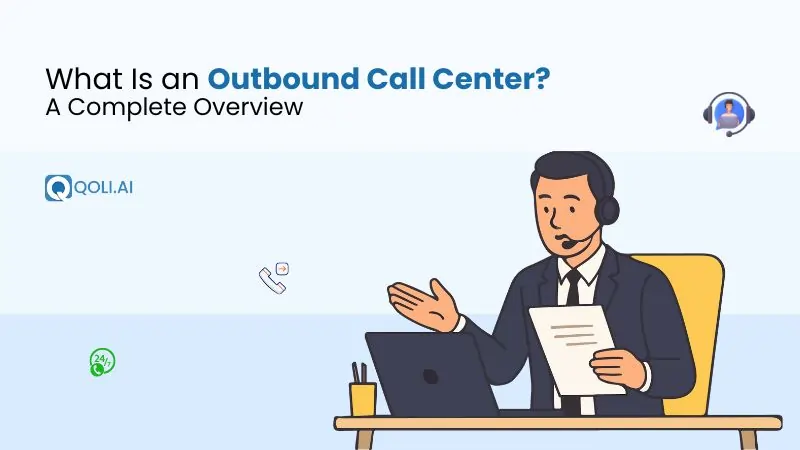
Sometimes, running outbound campaigns feels like trying to keep multiple tasks moving at once: calls to make, notes to track, and leads to follow up. Without an outbound call center, it’s easy for things to slip through the cracks. But when teams start using outbound call center software and other key features of outbound call centers, the workflow suddenly becomes manageable, measurable, and predictable.
In this blog, I’ll guide you through the different types of outbound call centers, their benefits, and how outbound calling can help your business achieve consistent results.
An outbound call center is a dedicated team or facility that focuses on reaching out to potential and existing customers on behalf of a business. Unlike inbound call centers that respond to incoming queries, these centers proactively make outbound calls to generate leads, promote products, schedule appointments, or gather feedback.
These centers are designed to handle high call volumes efficiently, providing businesses with trained call center agents and the infrastructure needed for organized call management. With features like outbound call center software and proper tracking, companies can maintain consistent communication, strengthen customer relationships, and support outbound sales efforts effectively.
An outbound process is a structured system businesses use to reach potential customers efficiently. It’s more than dialing numbers, it’s about planning, prioritizing, and tracking each call to optimize call center operations and call management.
It starts with identifying prospects and making outbound calls on a set schedule, while logging key details. Tools like call recording and call monitoring help maintain quality and ensure every outbound contact is documented.
With the average cold call conversion rate around 2.35% in 2025 (about one sale per 43 calls), a structured process enables teams to manage high call volumes, stay organized, and achieve consistent results.
When it comes to reaching out to your customers, not all outbound call centers work the same way. Understanding the different types can help you choose the one that fits your business goals.
1. Telemarketing Call Centers
If your focus is on promoting products or services, a telemarketing call center can help you connect with potential customers directly. Your agents can engage in meaningful conversations to generate interest and support outbound sales.
2. Lead Generation Centers
When you want to find and qualify potential customers, a lead generation center is ideal. Here, every outbound contact is carefully identified and documented so your sales team knows exactly who to follow up with.
3. Customer Retention Centers
Keeping your existing clients happy is just as important as gaining new ones. A customer retention center can help you manage renewals, collect feedback, and strengthen your call center operations to maintain long-term relationships.
4. Survey & Research Centers
If you want to understand your customers better, a survey or research center can be a great asset. Your team can gather insights, track responses, and plan future campaigns using outbound call center software.
The outbound call center works by helping your business coordinate people, processes, and technology to reach customers effectively. By following a structured workflow, your team can make sure every lead is contacted, tracked, and followed up efficiently, improving call center operations and overall call management.
Here’s how it typically works for your business:
Step 1: Lead Identification
You start by identifying potential customers and segmenting them based on priority, interest, or past interactions. This ensures your outreach is targeted and effective.
Step 2: Call Assignment
Next, assign leads to your trained call center agents based on schedules and availability. This way, every agent knows who to contact and when.
Step 3: Outbound Calling
Your agents reach out to prospects, following scripts or guidelines while personalizing each conversation to build stronger connections.
Step 4: Call Logging
Make sure every interaction is recorded in your outbound contact center software, including call duration, outcome, and follow-up notes. This keeps everything organized and easy to track.
Step 5: Quality Monitoring
Use call monitoring and call recording to review interactions, maintain quality, and provide your agents with constructive feedback.
Step 6: Performance Tracking
Track key metrics such as connection rates and follow-up success to see what’s working and where your team can improve.
Step 7: Follow-Up & Next Steps
Based on results, schedule follow-ups or additional actions to move leads further along in the sales or engagement process.
For example, if you’re launching a new software tool, you can assign leads to your agents who make personalized calls, log interactions in the outbound call center software, and schedule follow-ups. By monitoring calls for quality, you can see which leads are converted and how effectively your team manages outreach, all while keeping customer interactions professional.
Now that you know how an outbound call center works step by step, it’s important to understand the key features that make these centers effective. These features allow your business to efficiently manage customer interactions and achieve successful outbound campaigns:
Managing an outbound call center can get overwhelming fast. You have leads to track, calls to monitor, interactions to log, and performance metrics to analyze. It’s easy for things to slip through the cracks.
That’s where Qoli helps. With real-time dashboards, automatic call recording, CRM integration, and team call monitoring, you can keep everything organized. Your team can focus on connecting with customers while Qoli handles the heavy lifting of call center operations.
Ready to take your outbound calls to the next level? Try Qoli today and see the difference it makes for your business.
When you look at how much structure and precision go into an outbound setup, it’s easy to see why so many businesses rely on it. A well-run center isn’t just about calls, it’s about strategy, timing, and connection. The real value comes from how it strengthens communication, boosts performance, and delivers measurable results.
Here’s what you gain when you invest in a modern call center solution powered by the right technology and trained teams:
An effective outbound setup helps your business achieve consistent, measurable growth, turning every interaction into an opportunity to build loyalty and boost revenue.
Running an outbound call center for sales requires more than having the right software or tools, it’s about building a system where your outbound agents can perform at their best. Whether you’re managing in-house teams or using a center as a business operation, success depends on how efficiently you plan, measure, and motivate.
Here are some best practices for outbound call centers that help you stay organized and deliver results:
Your agents are the backbone of any outbound call center for sales, so proper training is key. Focus on product knowledge, communication skills, and call resolution strategies to handle customer interactions confidently.
Regular refreshers and role-playing help reinforce best practices and improve performance. According to ResearchGate, simulation-based training boosts call accuracy and processing speed, leading to higher customer satisfaction and productivity.
Well-trained agents contribute to successful outbound campaigns and help your call center managers track meaningful performance metrics like call connection and follow-up rates.
Equipping your team with the right tools is essential for translating training into performance. According to a report by NICE, implementing advanced contact center software can lead to a 20% increase in agent productivity and a 30% improvement in customer satisfaction scores.
Look for platforms that offer features like real-time dashboards, automated workflows, and integration with CRM systems. These tools enable your team to manage interactions efficiently and track key performance indicators effectively.
Your agents can only be as effective as the scripts they follow. Flexible scripts allow your outbound sales teams to adapt to different conversations, handle objections, and guide leads toward meaningful outcomes.
Research by Salesforce shows that reps who follow dynamic, adaptable scripts achieve up to 28% higher conversion rates compared to rigid scripts.
Keeping an eye on performance helps you know what’s working and what needs adjustment. By tracking call center metrics and KPIs, you can see how your outbound sales teams are performing and where improvements are needed.
A study by Harvard Business Review found that organizations using real-time monitoring and performance dashboards saw a 15% increase in overall team productivity.
Regular monitoring allows call center managers to give timely feedback, optimize center solutions, and ensure your campaigns across outbound and inbound call centers stay on track.
Maintaining compliance is essential for protecting your business and building customer trust. Failing to follow regulations can be costly, a report by Sobot found that organizations experiencing compliance breaches faced an average cost of $5.05 million per incident.
By integrating clear policies, monitoring interactions, and providing regular coaching, you can make sure your teams adhere to legal requirements. This not only reduces risk but also strengthens your call center solutions.
Continuous feedback helps your team improve performance and ensures that your outbound sales teams stay effective. By reviewing call outcomes and discussing what worked or didn’t, you can refine strategies and enhance overall results.
According to a Gallup study, teams that receive regular, actionable feedback experience up to 12% higher productivity compared to those without structured feedback
Once your team knows the best practices for running an outbound call center, the next crucial step is selecting a service that aligns with your business goals. Picking the right partner or platform can make a huge difference in efficiency, lead conversion, and overall customer experience.
Here’s what to consider when choosing an outbound call center service:
Running a successful outbound call center is about more than just making calls. It’s about creating a structured system where every interaction drives real results.
With the right tools and proper training, your team can reach prospects and existing customers more efficiently while strengthening relationships. Clear processes and performance tracking help you optimize campaigns and scale outreach without losing quality.
When these strategies are in place, your business can enjoy steady growth, higher conversion rates, and a more engaged, satisfied customer base. Every outbound call becomes a meaningful opportunity to connect and drive success.